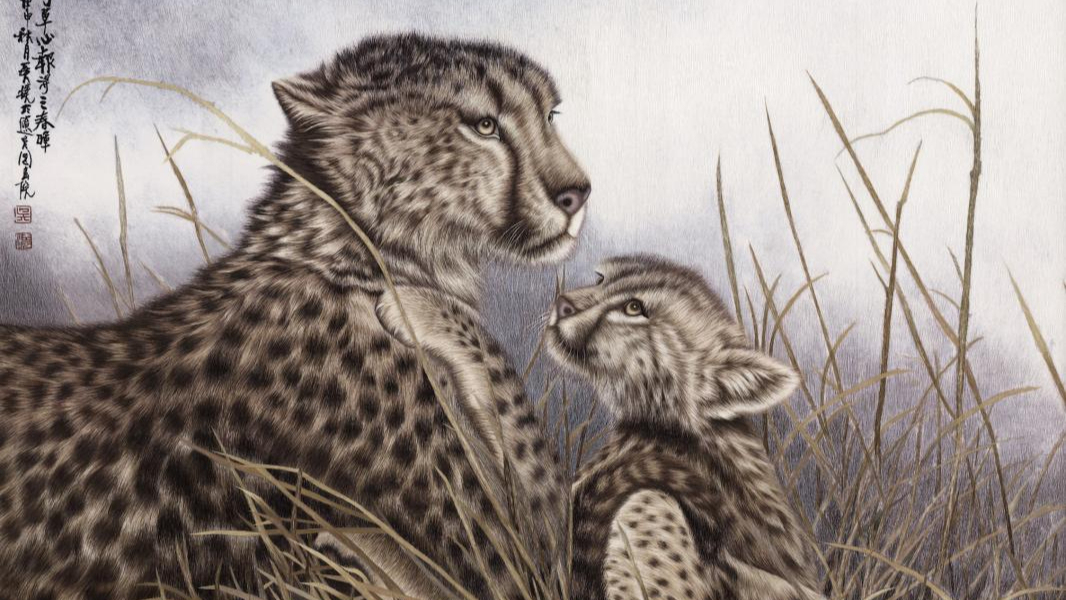
Xiang Embroidery
Introduction
Xiang Embroidery, one of China's Four Famous Embroideries, originates from Hunan province in Central China. Known for its time-honored history, excellent craftsmanship, and unique style, it has been a prominent cultural art form for over two millennia. The earliest known piece of Xiang embroidery was discovered in the No 1 Tomb of Mawangdui, Changsha city, dating back to the Han Dynasty (206 BC-220), showcasing that the weaving techniques used then are remarkably similar to those employed today. Xiang embroidery incorporates elements of traditional Chinese painting, which has contributed to its distinct visual expression. In contemporary times, Xiang embroidery continues to evolve, capturing the imaginations of artisans and audiences alike through its vibrant colors and lifelike depictions.
History
The history of Xiang embroidery is deeply intertwined with the cultural and artistic heritage of Hunan province. Its origins can be traced back more than 2,000 years, as evidenced by artifacts unearthed from the Mawangdui tombs. The Han Dynasty period marked the beginning of a flourishing era for Xiang embroidery, with techniques that were surprisingly advanced for their time. During the late Qing Dynasty (1644-1911) and the early 20th century, Xiang embroidery gained prominence and was recognized as a superior art form, rivaling the Su embroidery of Jiangsu province. The establishment of the People's Republic of China brought about renewed interest and innovation in Xiang embroidery, leading to significant improvements and diversification in its techniques and applications.
Characteristics
Materials and Techniques
Xiang embroidery utilizes a variety of materials, including pure silk, hard satin, soft satin, and nylon, which are skillfully connected with colorful silk threads. The choice of materials contributes to the durability and aesthetic appeal of the embroidery. The weaving techniques are intricate and demand a high level of skill, as they involve a meticulous process that emphasizes precision and artistry. Artisans draw inspiration from Chinese paintings, achieving an artistic level that is both refined and expressive. Notably, the pengmao (fluffy stitching) technique, invented by Yu Zhenhui in the 1950s, adds a three-dimensional effect, particularly effective for rendering animals like tigers and lions.
Patterns and Themes
Xiang embroidery is renowned for its vivid patterns and themes, which often include intricate depictions of animals, flowers, and natural scenery. The embroidery is celebrated for its ability to create lifelike representations, with sayings suggesting that embroidered flowers seem fragrant, birds appear to chirp, tigers look like they are running, and figures exhibit vivid expressions. The tiger is a particularly popular motif, reflecting the regional culture and preferences, while other themes may incorporate elements of mythology, folklore, and daily life. The diversity of patterns allows for both traditional and modern interpretations, making Xiang embroidery a versatile and enduring art form.
Cultural Significance
Symbolism
Xiang embroidery holds a significant place in Chinese cultural heritage, symbolizing the artistic excellence and cultural identity of Hunan province. Its intricate designs and vibrant colors convey a rich tapestry of symbolic meanings, often associated with prosperity, longevity, and good fortune. The motifs used in Xiang embroidery are carefully chosen to reflect cultural beliefs and traditions, with each element carrying its own symbolic weight. For example, the depiction of a tiger may symbolize strength and courage, while flowers might represent beauty and elegance.
Influence on Chinese Art
The influence of Xiang embroidery extends beyond its own regional boundaries, impacting various forms of Chinese art. Its integration of traditional Chinese painting techniques into embroidery has inspired other art forms, fostering a cross-pollination of styles and ideas. As one of the Four Famous Embroideries of China, Xiang embroidery has also played a crucial role in preserving and promoting Chinese folk art traditions. Its enduring popularity has ensured that it remains an integral part of China's cultural narrative, celebrated for its artistic innovation and cultural significance.
Modern Applications
Fashion and Design
In recent years, Xiang embroidery has found new applications in the fields of fashion and design. Designers incorporate its intricate patterns and vibrant colors into modern clothing, accessories, and home decor items, bringing traditional craftsmanship into contemporary contexts. The unique aesthetic of Xiang embroidery adds a touch of elegance and cultural depth to fashion collections, appealing to both domestic and international audiences. The adaptability of Xiang embroidery allows for creative exploration, ensuring its continued relevance in the ever-evolving world of fashion.
Cultural Promotion
Efforts to promote Xiang embroidery as a cultural heritage have gained momentum, with initiatives aimed at raising awareness and appreciation for this traditional art form. Exhibitions, workshops, and cultural events showcase the beauty and craftsmanship of Xiang embroidery, reaching a wider audience and fostering a deeper understanding of its cultural significance. Artisans and cultural organizations collaborate to ensure the preservation and transmission of Xiang embroidery techniques, engaging the public in conversations about cultural heritage and artistic expression.
Preservation and Education
Museums and Exhibitions
Museums and exhibitions play a vital role in preserving and promoting Xiang embroidery. These institutions curate collections that highlight the historical evolution and artistic achievements of Xiang embroidery, providing valuable insights into its cultural context and significance. Through exhibitions, audiences have the opportunity to experience the artistry and craftsmanship firsthand, gaining a greater appreciation for this revered art form. Educational programs and interactive displays further enhance the learning experience, encouraging visitors to explore the rich heritage of Xiang embroidery.
Training Programs
To ensure the continuation of Xiang embroidery, training programs have been established to nurture the next generation of artisans. These programs offer comprehensive instruction in traditional techniques and modern innovations, equipping students with the skills necessary to master the art of Xiang embroidery. The passing down of knowledge from experienced craftsmen to aspiring embroiderers fosters a sense of continuity and cultural pride. Additionally, outreach initiatives aim to engage communities and inspire interest in Xiang embroidery, ensuring its legacy endures for future generations.








